


If you want something more portable than binoculars but still want real reach, monoculars for adults make a lot of sense. They are lighter, easier to pack, and faster to pull out when something catches your eye. For hiking, travel, concerts, wildlife spotting, and even quick backyard viewing, a monocular can feel like the perfect middle ground.
The main reason adults end up loving a monocular is simple. You actually carry it. Big optics are great, but if they stay at home, they do nothing for you.
At Horizon Optix, a lot of customers who are new to optics start with binoculars, then come back looking for something smaller for everyday use. A good monocular fills that gap nicely, especially if you want a “grab and go” viewing tool that does not take up half your bag.
Monocular vs Binoculars: Which One Fits You Better
A monocular is essentially half of a binocular. That sounds like a downgrade, but it is not always.
Monoculars are great when
You want light weight and portability
You want one hand operation
You want something that fits in a pocket or small pouch
You want quick viewing, not long sessions
Binoculars are better when
You want more comfortable long viewing
You want depth perception
You want a wider, easier viewing experience
You get eye strain using one eye for too long
If your main goal is convenience, a monocular compact option is often the smarter buy. If your goal is comfort for long observation, binoculars may win.
The Specs That Matter, Without the Confusion
Most monocular specs look like binocular specs. You will see something like 10x42 or 12x50.
The first number is magnification
The second number is the objective lens diameter
Both matter, but not in the way most people assume.
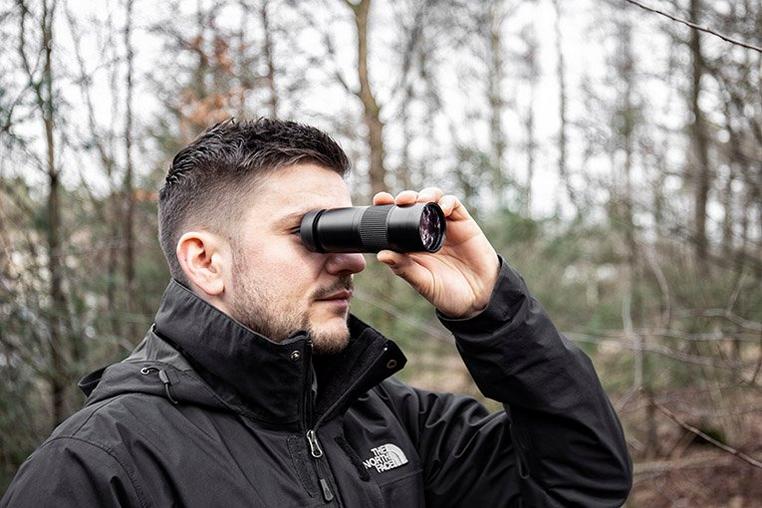
Magnification: Higher Is Not Always Better
A lot of buyers search for monoculars for adults high powered and immediately aim for the highest magnification they can find. The problem is that higher magnification magnifies hand shake too.
A realistic guide for handheld monocular use
8x to 10x
Easy to hold, great for travel, hiking, and general viewing
12x
Noticeably closer, but steadiness matters more
15x and above
Can be impressive, but many people will want support for comfort
If you want the best balance of power and usability, 10x is often the sweet spot.
Objective Lens Size: Brightness and Comfort
Objective lens size affects brightness, especially in dim conditions.
A 42mm or 50mm objective lens generally provides a brighter image, which is helpful in shaded trails, late afternoon, or early morning wildlife viewing.
Smaller lenses make the monocular more portable, but the view can feel less bright, especially when the light drops.
This is why many people choose a 10x42 style monocular as a practical everyday option.
Field of View: The Hidden Comfort Feature
Field of view is how wide the scene looks through the monocular. A wider field makes it easier to find your subject quickly, which matters when birds move fast or you are scanning a ridgeline.
Higher magnification usually narrows the field. That is one reason some “ultra powerful” options feel harder to use in real life. The view can feel like looking through a narrow tube.
If you want a monocular that feels easy and natural, prioritize a decent field of view, not just magnification.
Clarity: Coatings and Glass Quality
People often expect all optics to look clear, but coatings and glass quality separate good monoculars from disappointing ones.
Look for fully multi coated optics. That improves brightness and contrast, and reduces glare. You will notice this most when viewing reflective surfaces like water, bright sky, or snow.
Glass quality also matters. Better glass reduces color fringing, which is the purple or green outline you may see on high contrast edges.
Horizon Optix tends to focus on optics that look good in real conditions, not just under perfect lighting, because that is what actually builds trust with customers who are buying their first serious viewing tool.
Focus and Eye Relief: Two Things That Decide If You Enjoy It
A monocular can have good optics and still feel annoying if the focus system is stiff or too sensitive.
A good focus ring should be smooth and precise. For wildlife, you want fast focusing. For long range viewing, you want precise control.
Eye relief matters if you wear glasses. With short eye relief, glasses wearers may struggle to see the full image. Look for comfortable eyecups or designs that work well with glasses.
These comfort details often decide whether your monocular becomes your favourite piece of gear or something you forget you own.

The Real Question: Do You Need the Most Powerful Monocular
Many buyers chase the most powerful monocular available because power sounds like performance. But power without stability is frustration.
If you plan to use a monocular casually, handheld, while walking or hiking, a moderate magnification is usually the best experience.
If you want serious long range viewing, you can go higher, but you should plan for support, like bracing on a surface or using a small tripod.
A stable 10x monocular often beats a shaky 15x monocular in real enjoyment.
When a Tripod Makes Sense
Tripods sound like a hassle, but they can unlock a totally different experience.
A small tripod can help when
You want to read detail at long range
You want to observe for extended periods
You want to use your phone for photos through the monocular
Even if you do not carry a tripod, learning simple stability tricks helps.
Brace your elbows against your torso
Lean on a tree, wall, or rock
Rest your hand on a stable surface
These simple habits make monoculars for adults feel more powerful without buying more magnification.
Phone Viewing and Quick Photos
A lot of people want to use a monocular with a smartphone. This can work well, especially for daylight viewing or Moon shots.
The key is stability and alignment. Without it, you end up with shaky footage and dark corners.
Some people use adapters, but even without one, you can get decent results with patience. If you are buying through Horizon Optix and you know you want phone use, it is smart to pick a model that is easy to align and comfortable to hold.
What About Popular Names Like Starscope
You will see terms like starscope monocular or “military grade monocular” in a lot of marketing. Some of it is useful shorthand. A lot of it is just hype.
The smarter way to decide is to focus on
Magnification you can hold steady
Objective lens size for brightness
Field of view for ease of use
Coatings for clarity
Build quality for durability
If a monocular feels clear, comfortable, and easy to focus, that matters more than labels.
Choosing the Right Monocular for Your Lifestyle
Here are a few simple pairings that work for most adults.
For hiking and travel
Choose a monocular compact option around 8x to 10x, with a lens size that balances brightness and weight.
For wildlife and long range scanning
Choose 10x to 12x with a larger objective lens like 42mm or 50mm.
For serious distance viewing
Consider 12x to 15x, but plan for stability support.
For a first time buyer
Choose ease of use over extreme specs. It will feel better and you will use it more.
This kind of practical matching is the same approach Horizon Optix uses when guiding customers toward optics that fit real routines, not just impressive product descriptions.
Final Thoughts
The best monoculars for adults are the ones that match how you move through the world. If you want something you can carry every day, go compact and comfortable. If you want longer range viewing, choose more light gathering and better stability.
Power matters, but usability matters more. A monocular that feels steady, clear, and easy to focus will always beat a “higher power” model that feels shaky and frustrating.

