


If you have ever picked up binoculars or a monocular and seen “10x42” printed on the body, you probably had the same reaction most people have.
Okay, what does that actually mean
And more importantly, does it mean this thing is good
Understanding a few basic optical specifications will instantly make you a smarter buyer. You will know why some optics feel bright and easy to use while others feel shaky, dim, or frustrating.
At Horizon Optix, this is one of the most common questions from first time buyers. People are not trying to become experts. They just want to choose gear that works for their needs without guessing. This guide explains it all in plain language so you can make confident choices across binoculars telescopes optics.
Magnification: The First Number and the One Everyone Fixates On
Magnification is the first number in the format. In 10x42, the “10x” refers to binocular magnification.
It means the object appears ten times closer than it does with your naked eye. So if you look at something 100 meters away, it appears like it is about 10 meters away, visually.
That sounds simple, but here’s the part that surprises most people.
Higher magnification is not automatically better.
The higher the magnification, the more your hand shake shows up. And the narrower your view often becomes. This is why some “super powerful” optics are uncomfortable unless you use support.
A Practical Magnification Guide for Real Life Use
8x
Easy to hold, wide view, great for birding and general outdoor use
10x
More reach, still comfortable for most adults, common all purpose choice
12x
Noticeably closer, but steadiness starts to matter more
15x and above
Often best with a tripod or stable support for comfort
If you are buying optics for relaxed viewing, do not chase numbers. Choose magnification you can actually hold steady.
Horizon Optix often helps beginners make this decision because the “right” magnification depends on how you plan to use the optics, not what looks impressive on a product page.
Lens Diameter: The Second Number and the One That Controls Brightness
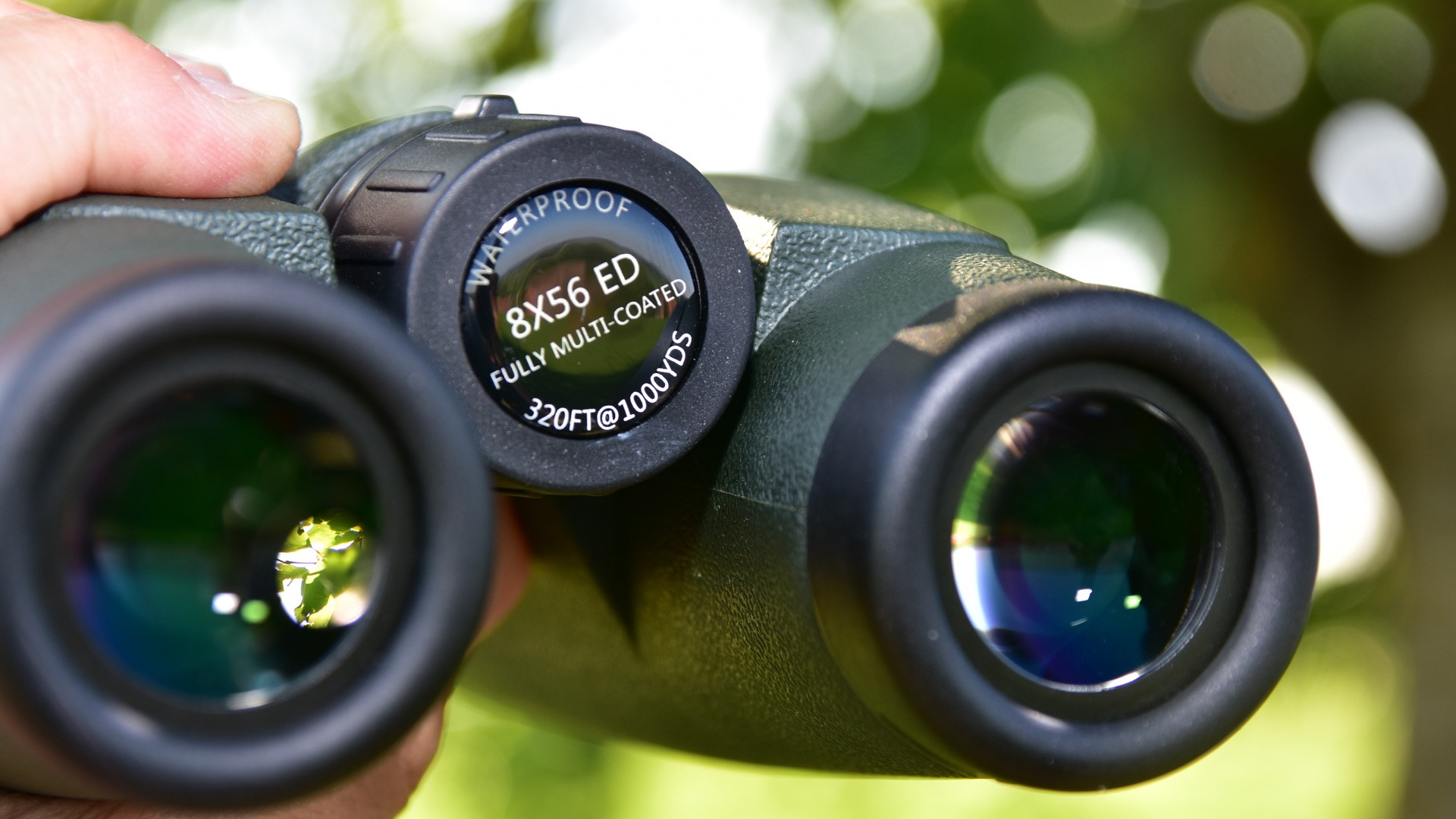
Lens diameter is the second number. In 10x42, the “42” is the objective lens size, measured in millimeters. This is the front lens, the big one facing the subject.
This matters because bigger objective lenses gather more light. More light generally means a brighter image, especially in low light conditions.
So yes, lens diameter affects brightness, but it also affects size and weight.
What Different Lens Sizes Feel Like
25mm to 32mm
Lightweight, compact, good for daylight, less bright in dim conditions
42mm
Balanced size, good brightness, very common for everyday use
50mm and up
Brighter and better in low light, but heavier and bulkier
This is why a lot of adult beginners end up liking 10x42 or 8x42. It is bright enough to feel high quality, but still manageable to carry.
Exit Pupil: The Simple Brightness Shortcut Most People Never Hear About
Exit pupil is one of the most useful concepts because it helps you predict brightness and comfort.
Exit pupil is calculated like this.
Objective lens diameter ÷ magnification = exit pupil
Examples
10x42: 42 ÷ 10 = 4.2mm
12x50: 50 ÷ 12 = 4.16mm
15x56: 56 ÷ 15 = 3.73mm
A larger exit pupil generally means a brighter image and easier eye placement. Many adults find around 4mm comfortable for general use, especially when light is not perfect.
This is a big reason why “higher power” does not always look better. If magnification goes up but the objective lens does not increase enough, the view can get dimmer and less comfortable.
Field of View: The Number That Decides How Easy Optics Are to Use
Field of view is how wide the scene looks through the optic. It is often listed as a measurement like “feet at 1000 yards” or “meters at 1000 meters.”
A wider field of view binoculars value makes it easier to:
Find your subject quickly
Track movement like birds or wildlife
Scan landscapes without feeling like you are looking through a tunnel
A narrow field of view can feel frustrating, even if the magnification is strong. That is why beginners sometimes buy high magnification optics and feel disappointed. They cannot find targets easily and the view feels cramped.
As magnification increases, field of view usually decreases. Not always, but it is a common tradeoff.
If you want a smooth, enjoyable experience, do not ignore field of view.
Why Zoom Optics Are Tempting, and Why They Often Disappoint
A lot of people see zoom optics and think, perfect, I can have both low and high magnification in one product.
Zoom can be useful, but it often comes with tradeoffs:
Narrower field of view
Less sharpness at higher zoom
More complexity and potential durability issues
Harder to keep steady at maximum zoom
For most people, a fixed magnification optic provides a better viewing experience. It is simpler, usually clearer, and more predictable.
If you truly need flexibility, zoom can work, but go in with realistic expectations. The “best” zoom optic is still usually a compromise compared to a strong fixed magnification model.
How These Specs Work Together in Real Life
You never want to judge one number alone. The magic is in the combination.
Example 1: 10x42
Strong all around choice
Bright enough for many conditions
Comfortable field of view in many models
Handheld friendly for most adults
This is one reason it is a popular beginner setup.
Example 2: 12x50
More reach, good brightness
Slightly heavier
More hand shake risk
Great for open areas like lakes, mountains, and long distance viewing
Example 3: 15x56
Long range potential
Heavier and less handheld friendly
Often best with support
Amazing for stationary viewing when stabilized
When Horizon Optix helps someone choose, they usually start by matching the combination to the buyer’s real use, like hiking, birding, stargazing, or hunting.
A Note on Telescopes, Because the Same Logic Applies
Even though this guide focuses on binocular style optics, the same concepts apply to telescopes.
Magnification still matters, but too much magnification without enough aperture leads to dim or blurry viewing.
Lens diameter in telescopes is often called aperture. Bigger aperture gathers more light and reveals more detail. It also affects cost and size.
Field of view in telescopes depends on eyepieces and design. Wider fields feel more immersive and make it easier to find objects.
That is why it helps to understand these basics across all binoculars telescopes optics, not just one category.
How to Use This Knowledge When Buying
Here is a simple decision approach you can use immediately.
Choose magnification you can hold steady
Choose lens diameter based on when you will use it, daylight versus low light
Choose a wide field of view if you want easy scanning and tracking
Treat zoom as optional, not a default
If you do those four things, you avoid most beginner mistakes.
This is also why Horizon Optix is a good place to shop if you are new to optics. The product mix and guidance are aimed at helping normal people get the right viewing experience without feeling overwhelmed.
Final Thoughts
Once you understand binocular magnification, lens diameter, and field of view binoculars, optics stop feeling like a gamble.
You can look at a model and immediately predict how it will feel. You will know whether it will be bright, whether it will be easy to find birds, and whether it will be comfortable handheld or better on a tripod.

