


Shopping for night vision goggles is one of those things that feels simple at first. You imagine crisp green images, clear movement in the dark, and that “superhuman vision” vibe.
Then you start looking online and suddenly everything is confusing. You see Gen 1, Gen 2, Gen 3. You see “digital night vision.” You see “infrared.” Some products promise incredible range at suspiciously low prices. Others cost a fortune and still do not clearly explain why.
This guide is here to make it easy. Not technical, not dramatic. Just a straight explanation of what matters so you can choose something that actually fits your needs.
At Horizon Optix, people usually come in wanting night vision for one of three reasons: nighttime outdoor activities, hunting, or property viewing and security. The right gear depends heavily on which of those you care about most.
First, Know the Two Worlds: Night Vision vs Thermal
A lot of buyers mix these up, and that leads to bad purchases.
Night vision amplifies available light.
It works best when there is at least some ambient light, like moonlight or starlight. Many setups also use infrared to help you see in total darkness.
Thermal detects heat.
That is thermal vision. It does not need light. It sees temperature differences and often shows living things clearly even through light fog or brush.
Here is the simple way to decide.
If you want to navigate, recognise shapes, and see detail like trails and fences, night vision is often better.
If you want to detect animals or people quickly in darkness, thermal can be better.
Many hunters choose thermal for spotting and night vision for movement and identification. If you are shopping at Horizon Optix, this is usually the first question to sort out before talking about brands or models.
Night Vision Goggles vs Monoculars vs Scopes
The next confusion is the format. What do you actually want to hold or wear.
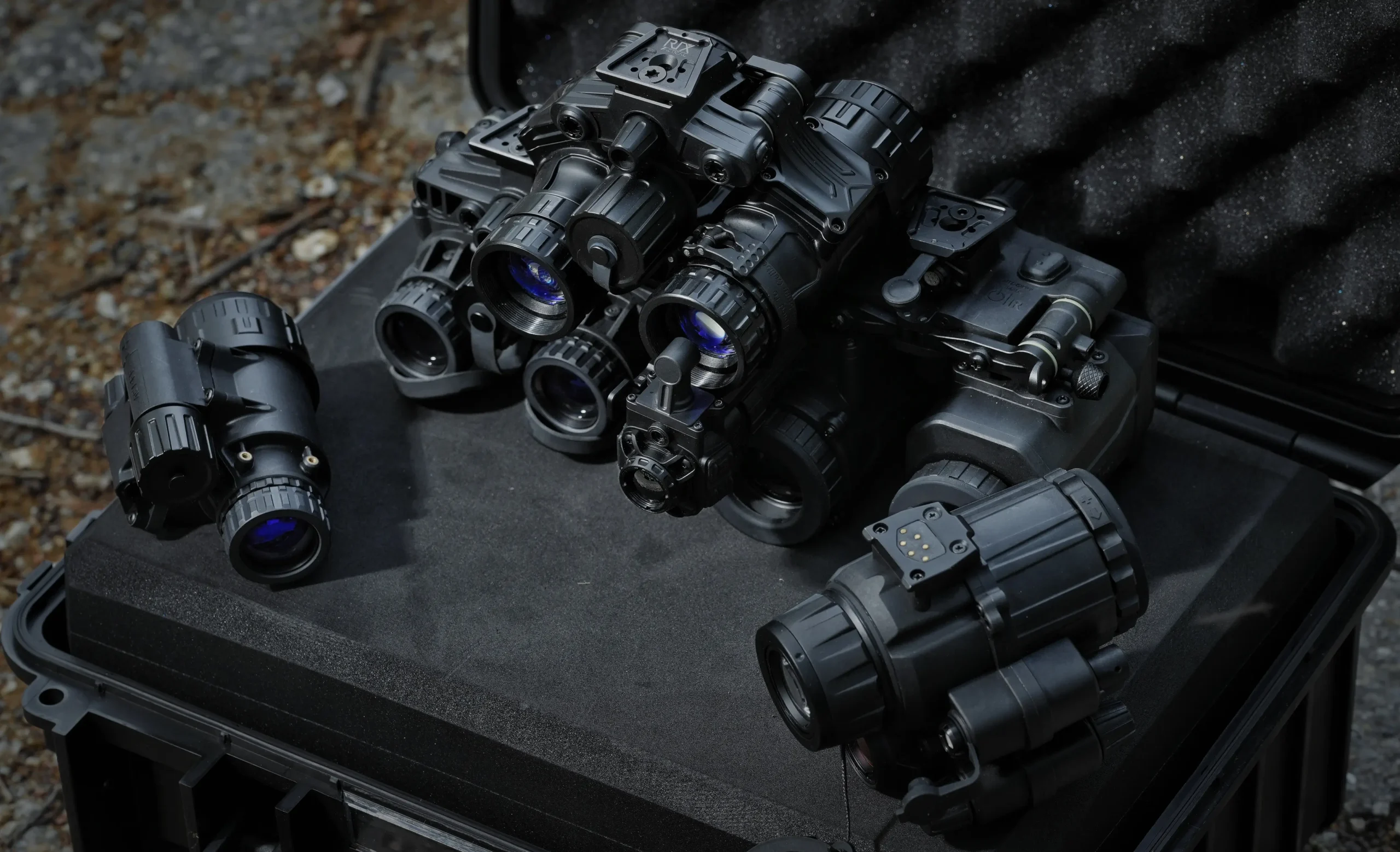
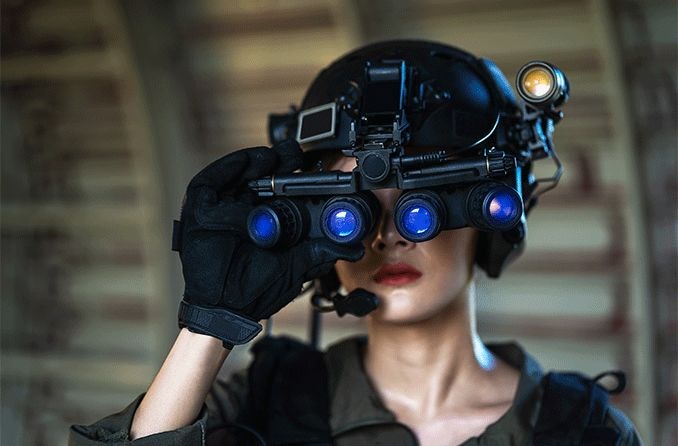
Night Vision Goggles
These are worn on the head, usually hands free. They are great if you need to walk, hike, work, or move around at night.
Best for
Navigation, outdoor night activity, hands free use
Tradeoff
They can be more expensive and require a comfortable mounting setup
Night Vision Monocular
A handheld or mountable device that uses one eye. Many people choose this because it is lighter and often cheaper than goggles.
Best for
Casual outdoor viewing, scouting, portability
Tradeoff
One eye viewing can be less comfortable for long sessions
If you want flexible, portable night viewing, a night vision monocular is often the easiest entry point.
Night Vision Scope
This is built for aiming and viewing through a firearm or similar setup in hunting scenarios. It can also be used for observation, but it is purpose built.
Best for
Hunting specific use cases where precision matters
Tradeoff
Not as comfortable for general navigation
If your main goal is hunting, a night vision scope might be the right direction. If your goal is general night use, goggles or monoculars make more sense.
How Night Vision Works in Plain Language
Night vision devices amplify light. They take low levels of light and make the image brighter so you can see.
There are two main approaches.
Analog Night Vision
This is the classic green image style. It uses image intensifier tubes and is often described using “generation” ratings.
Digital Night Vision
This uses sensors and screens instead of intensifier tubes. It can be more affordable and often comes with recording features, but image quality can vary a lot.
Most beginners do not need to get stuck on the technical parts. The key is to focus on performance in the environment you will actually use.
Understanding “Generations” Without the Headache
If you see Gen 1, Gen 2, Gen 3, here is the simplest view.
Gen 1
Entry level. Works in some conditions but usually needs infrared help. Image quality can be grainy and range is limited.
Gen 2
A big step up. Better clarity, better range, better low light performance.
Gen 3
High end. Excellent clarity, range, and low light performance. Often used in professional contexts.
If you are a casual user, Gen 1 or digital night vision might be enough. If you are serious about hunting or regular night use, Gen 2 and above becomes more appealing.
Horizon Optix customers usually fall into two camps. Either they want a practical beginner setup that works reliably, or they want something strong enough to genuinely rely on in the field.
Key Specs That Actually Matter
Marketing can be loud. Specs are where you get clarity.
Range That Matches Your Reality
Manufacturers list detection range and recognition range. Detection means you can see something is there. Recognition means you can tell what it is.
For example, spotting a heat blob is not the same as identifying an animal. Choose based on identification needs, not just “maximum range.”
Infrared Illuminator
If you use night vision in very dark areas, infrared helps. Many devices include it. Some people buy stronger IR illuminators for better performance.
Just keep in mind that infrared can sometimes be visible to other night vision devices, depending on the wavelength. For normal users, this is not usually a big concern, but it matters for certain tactical scenarios.
Field of View
Wider view is easier for moving around. Narrow view can feel like looking through a tube.
If you want night vision goggles for walking around, field of view matters a lot.
Refresh Rate and Clarity for Digital
If you choose digital, a higher refresh rate can make movement smoother. Low refresh rates can feel laggy, especially when panning.
Battery Life and Power Options
Night gear is only useful if it stays on. Think about whether you want standard batteries, rechargeable packs, or USB charging.
For outdoor use, backup power planning matters more than people expect.
Choosing Night Vision for Hunting
Hunting is a different situation than casual viewing. You need clarity and stability.
A lot of hunters prefer a two step approach.
Spotting with a handheld monocular
Then moving to a dedicated scope setup if needed
This is where monocular night vision becomes practical. You can scan without aiming, then decide what to do next.
If you are hunting in areas where animals blend into darkness, thermal can be useful for detection. If you need to identify details, night vision can help, especially when combined with infrared.
Choosing Night Vision for Outdoors and Property Viewing
If your goal is walking trails, checking a property, or night exploration, comfort and field of view matter more than extreme range.
Goggles shine here because hands free is a big deal when you are moving.
A lot of beginners buy a scope because it sounds powerful, then realise it is awkward for general use. For property and outdoor use, goggles or a night vision monocular is usually the better match.
Common Mistakes That Waste Money
Here are the mistakes that show up again and again.
Buying the highest claimed range without considering recognition
Choosing extreme magnification and getting shaky images
Ignoring field of view and feeling boxed in
Forgetting battery planning
Buying tactical style gear for casual use and then never using it
Horizon Optix helps customers avoid these issues by matching gear to real routines. That is the difference between buying something that looks cool and buying something you actually use.
A Simple Decision Guide
If you want hands free night walking or outdoor use
Choose night vision goggles with a wide view and comfortable setup.
If you want flexible viewing and portability
Choose a night vision monocular.
If you want hunting oriented precision
Consider a night vision scope, and think about whether thermal detection also fits your style.
If you want detection above all
Look into thermal vision options.
Final Thoughts
Night gear is one of those categories where the right choice feels amazing and the wrong choice feels like a waste.
Start with your real use case. Decide whether you need thermal or classic night vision. Then choose the format that fits your habits, goggles for movement, monocular for flexibility, or scope for hunting.
If you want a smoother buying process with beginner friendly support, Horizon Optix is built for exactly that, helping customers choose optics they can trust without getting buried in jargon.

